If you aren’t tired of hearing what I have to say yet, read on for a recent interview with Juliette Wolf-Robin.

© Ann Elliott Cutting - http://www.cutting.com

I was recently interviewed by Juliette Wolf-Robin of FoundFolios and Adbase fame for her Industry Interviews/Podcast series.  We chatted about the role and value of a rep, pricing video, portfolios vs. iPads, social media, face to face meetings and contracts to name a few things.  Link here to read the interview or listen to the podcast.

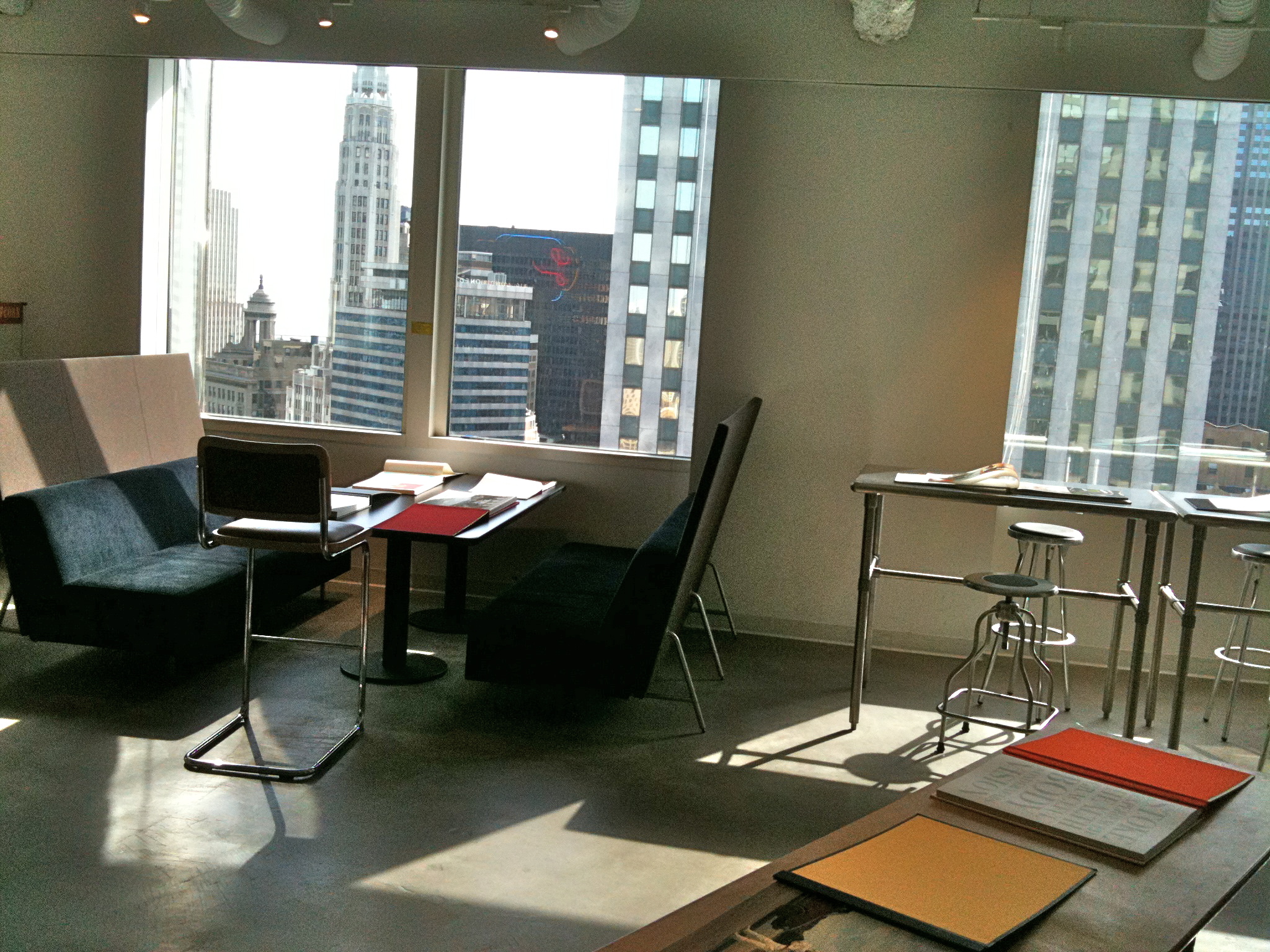
A unique approach to portfolio shows that will help both art buyers and reps. Thank you Char Eisner and Leo Burnett.

Our office  has been hosting portfolio shows for quite a long time now.  I often say that between the two of us,  Lauranne and I have visited most every major agency around the country multiple times.  We feel fortunate to represent talented photographers and to have the relationships that allow us access to host these shows.

Having hosted so many shows, we have a very good idea of why shows succeed or fail.  So much of it is unpredictable and dependent on what the agency has going on internally.   Maybe there is a big meeting coming up, or everyone is gearing up for a pitch.  Maybe there have been too many shows scheduled and the creatives are burned out or maybe they just don’t have the time.  Regardless, even if the turnout is low, we know what a challenge it can be for art buyers and are always appreciative of the opportunity.  Besides, all we need is that one person to be interested, right?

We have had many art buyers brainstorm with us at shows about what could make a show more successful as we all realize that it is getting harder and harder to cheerlead for us.  Next time the conversation comes up, I will tell them about my recent visit to Leo Burnett with Char Eisner and the creatives in her department.

Here is what I would tell them.

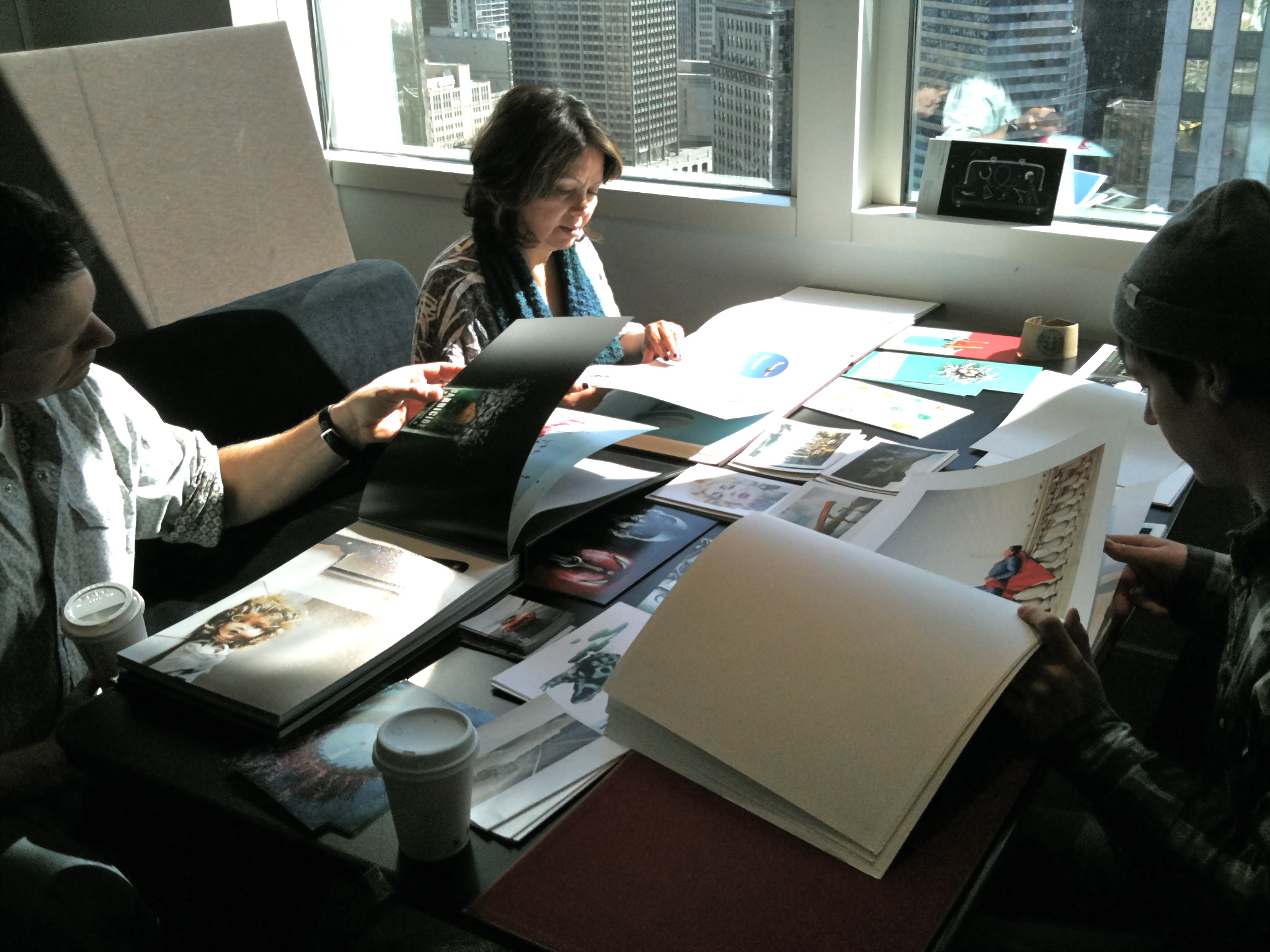
I recently visited Chicago and Leo Burnett and was struck by how extra fantastic the turnout was for the portfolio show.  So much more so than at a typically good show.  There was an abundance of creatives who attended and  they all showed up on time.  They asked where the sign in sheet was to sign in, engaged me in conversation and took promos.  Some even asked me to make sure they were on the email list of particular photographers.  The energy of the show was very upbeat and I didn’t get the sense that anyone was trying to get in and out quickly so as not to have to engage.

When Char and I chatted afterwards, I could not thank her enough for how well she produced her portfolio shows.

I attributed the 100% of the success to

Expectation Management

 for me and the creative department.

Char explained to me that a while back, she realized that in order for her creative department to find portfolio shows relevant, she needed to make some changes.

Here are the changes that she implemented:

•   Portfolio shows will only be hosted on Tuesdays from 10-12 AM only.  There are no other times allotted, regardless of if you are from out of town or not.  You are welcome to come meet with individual creatives and art buyers but no exceptions to the show schedule will be made.

•  Reps are sent a detailed letter that outlines what they can expect from her department and other relevant information.   Receiving this letter up front answers all of the questions at one time and saves everyone a lot of back and forth later on.

Some things mentioned in the letter are:

-What will be provided by Leo Burnett; such as tables and other supplies

-What rep will need to bring on their own (portfolios, treats and as needed -music and AV needs)

-An idea of reasonable treat specs and quantities

-Permission to reach out to creatives on my own during the show

-Contact information and the role each person plays in the show

-Specific appointment information such as address, security information, contact person and floor information; which is important for caterer and rep.

With such a well oiled machine it is no wonder that the shows are a hit time and time again.

Here are some benefits of a detailed approach to portfolio shows:

1)   Creatives are not overwhelmed by shows scheduled one after another.  They do not get jaded or feel obligated to drop what they are doing to attend.  They do not try to avoid the art buyer when she/he wrangles them and they actually look forward to events.

2)   The art buyer does not feel obligated to squeeze someone in.  I am guessing this makes the job easier and allows the art buyer to let a rep know quickly whether or not they can visit.  I appreciate this because I know that I can move on and find another agency to fill that slot rather than cross my fingers and hold off until I hear back.

3)  Because spaces are limited, the creatives know that the art buyer will select talent to showcase that is relevant and appropriate to the agency and what they are currently working on.

4) Creatives can schedule their time accordingly and know that if they have to miss one Tuesday there is another one coming next week.  They no longer feel pressured to attend and the routine of it all makes it feel less like an interruption and more like a part of their day.

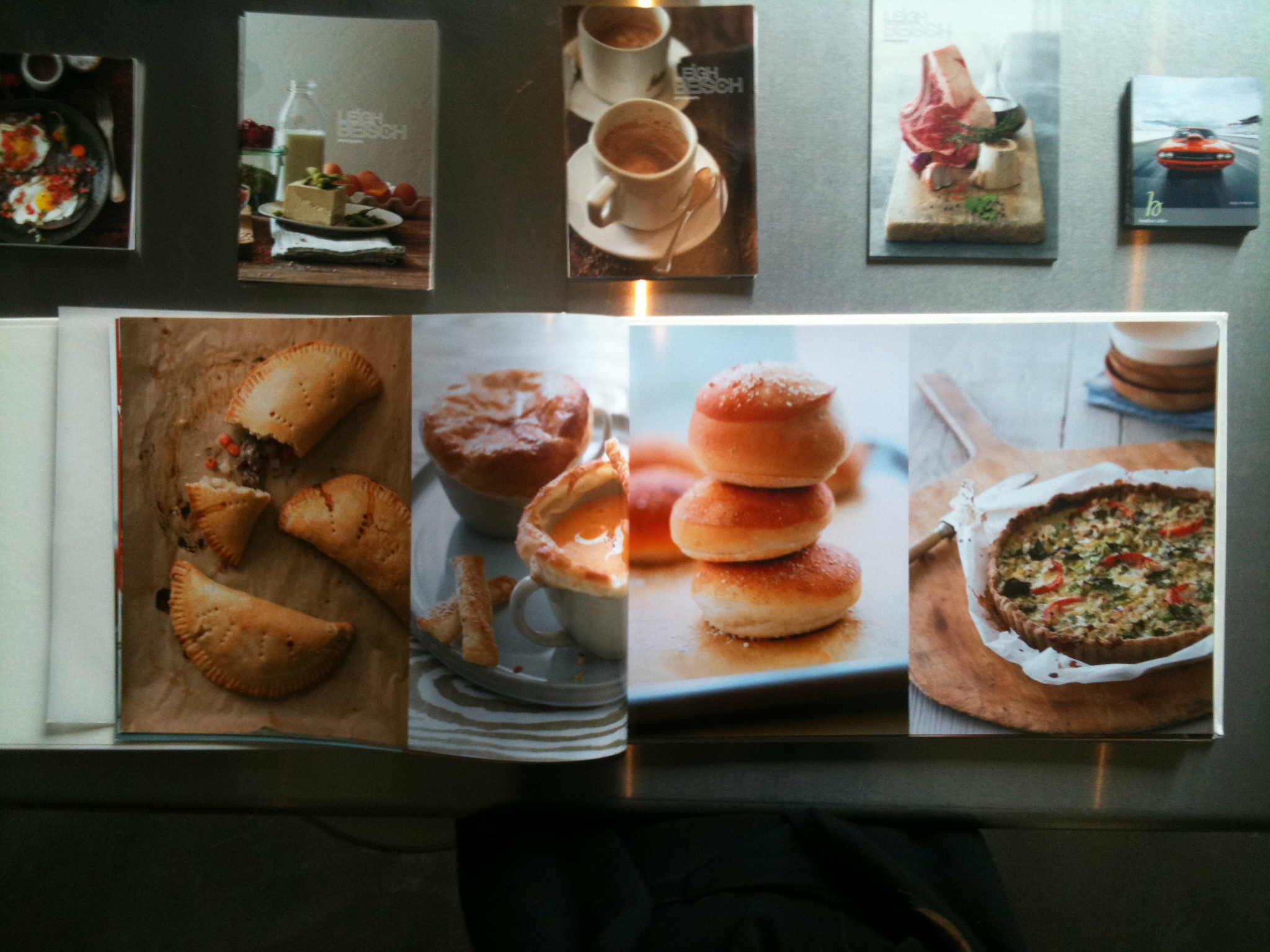
5)   Because it is a routine event, the art buyer is able to secure the same space for the same time every week.  She or he requests a space larger enough for different size rep agencies and even provides extra folding tables.  For those of us who have many books or large books, this is an ENORMOUS gesture.

6)   A rep can have a clear understanding of how involved the art buyer is able to be in the planning and execution of the show. When I know that an art buyer is not a resource for things like caterers, I know to work this out on my own without even asking.

7)   Having consistent and well attended shows also makes it possible for the art buyer to provide accurate insight into quantities for treats.  It is always helpful to hear that  treats work well and are very much appreciated but not required.

8)   I do not need to guess how my show will be promoted.  Knowing the deadline for the invite and how often it is distributed and how makes me feel confident that there is some promotion happening and this goes a long way towards a successful show.

9)   Being encouraged to reach out to the creatives on my own during a visit is a relief.  Knowing that the department wants reps to make their own connections makes making the call that much easier and less intrusive.

I share this with you not only because it was a positive experience for us and a  successful show for our group but because Char Eisner and her Leo Burnett team insist that it was the same for them as well.    Another example of a win/win situation.  Something we should all strive more towards nowadays.

If you have any other successful tips for how to host a successful/well attended portfolio show for both the agency and the agent, please email us or comment on this post.  We would love to hear what you have to say.

Excitement Builds Around Heather Morton’s Speaker Series launching May 24.

Starting May 24, Heather Morton will begin her CAPIC speaker series around Canada on the state of the photography industry.  She will present photo projects and lead discussions about what is really happening out there right now. Together with her special guests, they will suggest new ways of   ways of working with clients and moderate discussions on the challenges facing image makers and buyers in the ever changing world of advertising.

To help prepare for the event, she interviewed some reps, photographers and other industry professionals.  Her intent is to share the insights during her presentations and encourage excitement around the event.

Here is a clip of the interview she conducted with me.

I do hope she finds a way to share the insights from the series with all her friends that cannot attend. I am sure the conversation will  be invaluable.

I am excited for Heather and can’t wait to hear how her debut night goes.  Good luck Heather!

Dear Rep, Love Photo Editor

© Richard Schultz – http://www.rschultz.com

After the success of our Dear Art Buyer, Dear Rep letters, I thought it would be interesting to hear from a photo editor to know what makes for a successful relationship on their end.

I reached out to a few photo editors and received this letter back from Amy Feitelberg of Outside Magazine.  It struck me once again that we are all up against the same challenges and that mutual respect, open communication and common courtesies are the keys to any successful relationship.

Thank you Amy for letting us know how to best work with you.

Dear Rep:

One of the best parts of my job is to get to know all the great talent that is out there.  I love photography and feel so fortunate to be in this business and surround myself with such amazing imagery and fantastic talent.   When Heather reached out to me and asked me to write a letter letting photographers know how to best work with me, I came up with a list of the top five things to consider if you want to work successfully with me. 

Here they are:

1. Phone calls

I want to hear about your photographers and I want to hear who’s going where. I promise I do!  But phone calls are really hard for me. Email me. I promise I’ll look. I am really good at that.  Those of you who know me, know that If I had the time, I would chat with everyone!

2. Direct Access

I need direct access to your photographers as soon as we have agreed to work together – if not sooner.  So, as soon as you and I have agreed on the details of the shoot please put me in touch with them right away.  I know sometimes it is easier on your end if the coordination comes through you but I much prefer at that point to be in contact with the photographer; especially if I have not worked with this photographer before.  I don’t want to take the chance that something will get lost in translation.  Besides, this is the best way that I can get a feel for how a photographer and I will work together.  Feel free to be involved, but please do make sure I have direct access as well.

3. Contracts

I know there is a lot to read and review, but please return photographers contracts in a timely manner. We have so many rights to negotiate these days that many departments need to know immediately from us if we can use the images in our foreign editions, online, on our ipad, etc.

4. Scheduling

Scheduling is so hard nowadays – on both ends I am sure.  So, let’s agree to be very clear on which dates are available as well as any changes.  I know this is a dance between us, the photographer, the subject, the location….and when that other job comes in while we’re trying to make this all work. But if I’m given parameters from the outset and I work within them – you should have to adhere to them as well.  Please.

5. Websites

I know this sounds obvious, but you would be amazed at how many sites are still a challenge to use.  Please make sure they load quickly, the photos are big and the site is easy to navigate. Fancy flash and graphics take a lot of time and I just want to see the photographer’s work.

Also I love, love, love when it’s made clear where a photographer lives and if they’re a travel photographer, where they’ve been. It’s also so great when an agent has their photographers broken down by category. When a rep’s site is organized like that, I go back time and again to look at what’s new, who’s shooting what, what I can use for stock, etc.

Thanks again for all of your interest in Outside Magazine and your passion for your craft.  We are fortunate to work in such a creative industry and I am honored to be able to get to know as many of you I have.

Love,

Amy Feitelberg

Outside Magazine

More QR Code Fun

As I mentioned in a previous post, the photographers in our group have a new perspective on their businesses and are constantly looking for new opportunities to showcase their ever evolving creative talents.  Last week, I wrote about how many of them are enjoying playing with QR Codes to hopefully engage creatives on a different level.  Hunter Freeman was the first to send out his postcard with the QR Code as part of his photograph. He has been receiving a steady stream of print requests so it has been a fun way to get instant feedback.

Kevin Twomey and Richard Schultz both also embraced the idea and have direct mail cards arriving this week.  I encouraged them both to think of an idea that was relevant to their photography and the image they chose to promote.  Here is what they came up with:

Kevin Twomey

© Kevin Twomey-www.kevintwomey.com


As is the case with many photographers, Kevin is embracing video and learning how it is relevant to his still life clients.  He has been having fun learning the technology and is looking for new ways to share what he has learned.

When he recently stumbled across Mar Glusker, a man who collects calculating machines, he knew this was the perfect opportunity to shoot both film and video. He liked the idea of not just photographing the machines but concepting an idea with the machines and the owner that utilized photography, video and sound.   He knew that together, the film and video would make for the perfect mailer and QR code reward.  With the help of Sirius Sound he directed a video that has a bit of a “STOMP” feel to it.   He is hopeful that his video is a fun payoff for those who try the scanner.  To see the link, click here.

Richard Schultz

© Richard Schultz-www.rschultz.com


Richard Schultz’s images are about finding what is most unique in a situation and capturing a moment that feels true and authentic.  He uses what he finds to create a photograph that perfectly captures the emotion of the person in their environment.  He is the true definition of a “real people” photographer.

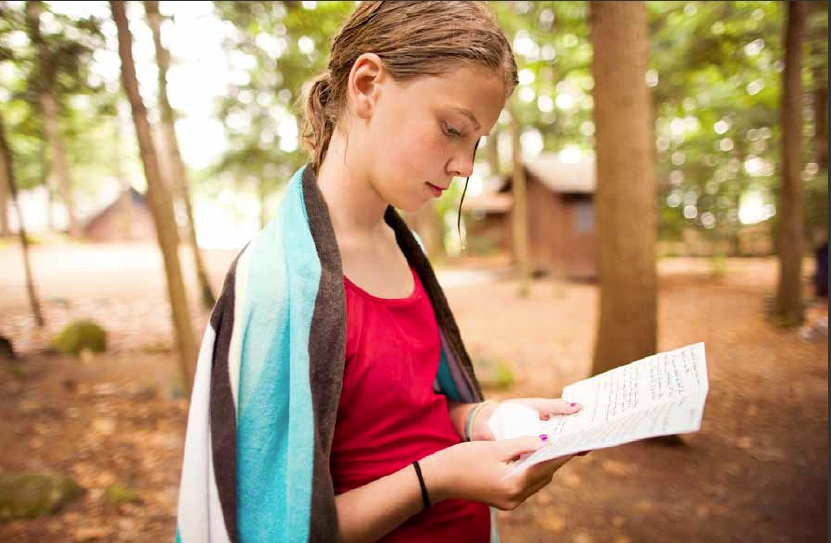
Therefore, it was not a surprise that his idea for the link from the code centered around the people he photographed for his mailer. On a recent shoot to a girls camp in New Hampshire he photographed the campers in their own setting.  He explains that “their gift to me was forgetting that I was there.  By giving me nothing, they gave me everything.”

Therefore, it is natural that Richard’s QR code links to a note from him about his experience and a more of the photographs that he took while he was there.  It is a special glimpse into a private world.  A perfect way to get us all thinking about summer.  Link here to see where the QR code takes you.  

In his own words, David Martinez explains how film can be more liberating that digital.

© David Martinez-www.davidmartinezstudio.com

David Martinez recently shared with me that he was working on a personal project photographing landscapes at dusk.  I know David’s work well and I knew that the imagery would be beautiful. I asked him when I would be able to see the images he laughed and said that it would be awhile.

He had shot film. 

It had been a long time since anyone in our group had shot film, so I was even more intrigued.  I asked David to write about it and here is what he had to say.

“I like shooting landscapes at dusk.   I see things that I normally wouldn’t in any other light and I wanted to explore that .  I am just beginning the series, and plan to keep adding to it.

When I recently went out to capture some imagery for this series, I was in Mexico.  There is a 5 mile stretch of beach that is slated for development in the next couple of years. It is one of my favorite places and I want to document it before it is gone. I have surfed this beach many a summer evening and really love the look of the light about an hour after sunset.

I remembered images I had made with film and the robust colors and rich textures that it would capture.  It made me question if digital could handle the subtle transitions of color.

I knew film would be the way to go.

I decided to shoot with my Mamiya 6 which hadn’t been used in 5 years. This is a wonderful camera.  I love how the lens is beautifully warm and sharp.  One of the greatest things about the camera is how simple it is.

Initially I shot a few rolls of random things like my wife and daughter.  I was getting reacquainted with film, so it was easy to just keep shooting. Oddly, it was liberating to shoot without the instant gratification of seeing what I had just shot. I kept going back to the location and over the course of a couple of weeks I had shot several rolls of film.

While I was in Mexico I was not anxious to get the film processed. However, when I got home I couldn’t wait to get to the lab.   It of course took a few days to have it processed and proofed.  So I just waited and wondered.

When I finally saw that first image, I was surprised at the emotion it brought up in me.  I was looking at an old friend, beautiful skin tones, smooth color transitions, and a subtle texture of grain.  I hadn’t realized how much I missed film, but upon seeing it again I remembered just how beautiful it is.  With each image I viewed, I became more impressed with the quality.

I was reminded that the look of film, as well as the process of shooting the pictures, was very different.

I no longer looked back and forth from the scene to the image on the back of the camera. I was just looking at what was in front of me and concentrating on creating a photograph.

It was very liberating to trust my eye and have to wait and see what I created.  Ironically, I was feeling more freedom shooting film than shooting digitally.

It had been about 5 years since I shot film, but the look of it was so familiar to me.  It was easy to see the appeal of it after not using it for so long.

I know that the practicality of digital has made it the medium of choice but there is a beauty to film that can’t be replicated.

I  have become so excited about using film again that on a recent cover shoot for San Francisco Magazine, I shot film as well as digital.

The art director preferred  the look of the film version but due to an extremely tight deadline ended up not being able to use it.

However, I was able to once again enjoy the freedom of film.

Resource for Film processing and fine art prints http://www.dickermanprints.com/

Playing around with QR codes- our photographers try to engage with creatives on a different level

©Hunter Freeman-www.hunterfreeman.com

As I shared in a previous post, our group has evolved their mindsets to embrace the changes happening in our industry and has begun to look for new opportunities to keep their businesses evolving.  We committed to moving forward with a entrepreneurial mindset and approaching each project with a new perspective. 

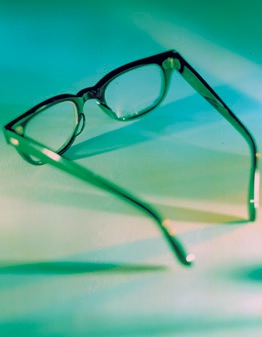
 We have new glasses on and we are ready to use them.

We recognize that it is important to evolve not only our work but how we share it as well.  So, with these new glasses, we examined each of our marketing tools and tried to find unique and interesting ways to inspire creatives to engage with our work.

One tool we examined closely was the direct mail piece.  We reviewed what the current ones in our group looked like without our new glasses and then examined what they looked like with the new glasses.  If the ultimate goal is to excite the viewer and inspire them to view our websites, then we wanted to think of something that not many other photographers were doing; even if it was just for a mailer or two.

Many ideas were discussed and we decided that it would be fun to experiment some with the QR Code.  We researched the technology and realized that it was quite easy to incorporate them into the mailers.

While the codes have been successful for many companies, we wanted to be careful and not just embrace the technology for the sake of trying it out.  We didn’t want to chase a trend but find a way to make it relevant for the people who would be scanning the code.  More than anything, we knew that the user had to be rewarded with something for taking the time to participate.  We didn’t just want the code to send them to our site – they could do that on their own.  It seemed like a lot of effort for little pay out.   So, we got creative and thought of different ways to reward the viewers who took the time to engage.

Hunter Freeman’s mailer will be the first in our group to arrive on your desks.  Kevin Twomey’s and Richard Schultz’s are not far behind.  Each thought of an idea that was relevant to their photography brand and the image they chose to promote.

Hunter decided to play off of his wildly successful astronaut series and create an image that incorporated the QR code.  His quirky sense of humor made it easy for him to think of a concept that played off the original series.  When you scan the code, it takes you to a site that offers you a free print of one of the astronaut images.  Seeing the amount of emails he gets daily for prints, this seemed like a relevant reward.

For those of you who don’t want to wait for the card, click here.  Be honest though – please do not order a print if you didn’t actually scan the code.  Let’s save them for those who played the game.  (But of course, if you really must have one, let us know and we can see what we can do.)

We of course have no idea how many people will actually try out the code, but we are excited to find out.  And, please do spread the word if you like what we share with you when you scan the code.

For those of you who do not have a QR code scanner – you can easily get one in the App store if you search QR Code.

Thanks for be open minded!

We can see clearly now and can’t wait to share what we discovered once we put on our new glasses.

© Ann Elliott Cutting - Cutting.com

Back in February I wrote a post about choosing a new pair of glasses.  It was a metaphor for being able to look at our industry from a new perspective.  I reviewed how times had changed and encouraged photographers to be thinking of new ways to participate in this new world.

A few weeks later, our office hosted a group meeting for our photographers.  The point of the meeting was to get our entire group on the same page.  We needed to make sure everyone was up to speed on how things have changed and how people were utilizing photographers now so that we could stop talking about the changes and start participating.

We wanted to help our photographers reframe how they see their own businesses and provide them with their new glasses.

In order to do this, we enlisted the support of Michael Coutrous of evolutionStudio to help shape what we wanted to say and choose the most relevant tools to help them succeed.  He was instrumental in helping our group transition from the then into the now.

Michael and I agreed that the entire premise of the meeting should be about shifting the photographer’s mindsets so that they could have a new understanding of the industry and be able to identify the emerging opportunities in this new media market.   Instead of seeing the challenges of this new world, they needed to see the opportunities.

To help facilitate this we shared with our photographers a variety of new perspectives /glasses through which to view the industry.  We asked them to try on those glasses throughout the meeting while we presented new opportunities to them.  We encourage them, with those new glasses, to see which tools work best for them, make choices towards change and prioritize.

One of the new pair of glasses we encouraged them to try on was the concept of Entrepreneurial

Mindset vs. Small Business Mindset.  Michael and I explained that this was the only mindset that would work in this new emerging media market.

Michael was the expert in this area and explained that the basic premise of this concept is that if you are a small business owner you are concerned with filling a well established, clearly defined market need.  If you are an entrepreneurial business owner, you seek new opportunities to provide value on the evolving frontier of market needs.

To help us understand this concept better, he suggested that we think back on recent conversations with clients.  He asked us to ask ourselves, “what are the  new challenges they are facing?  What are the new needs that they have?”    He explained that if we understand clearly their challenges and emerging needs, that we can usually discover a new opportunity to provide value for them that costs us little to nothing, that they will be very happy about.

Basically, it is all about thinking about your business differently, trying to break the mold, and being the person who is offering new ideas and shifting expectations.

The rest of the meeting was spent evaluating each one of our marketing tools through our new glasses.  We reviewed each tool through the old glasses and then examined them more closely with our new glasses.  We spent time brainstorming how to approach portfolios, emails, direct mails, source book advertising, portfolio shows and web presence as well as many other tools differently.

Since then, our photographers have been working to evolve those tools to show that they are understanding this new media market and want to be part of shaping the future and their businesses.

As you can imagine, this change takes some time but they are all prioritizing and embracing those tools that work best for them.  They are open to new ideas and constantly thinking about how to make their own businesses move forward.

Over the next few weeks, our photographers will be ready to share their new ideas for direct mail, emails, portfolios, websites, advertising and other tools.

They have found their new glasses and are wearing them excitedly.

Please be sure check back to see what changes have evolved.

Hunter Freeman makes complicated seem effortless. Here are 4 tips for a successful photo shoot.

© Hunter Freeman - http://www.hunterfreeman.com

I have been representing Hunter Freeman for almost 15 years now and I am still constantly learning from him. He has a professionalism and approach to business and life that I model as best that I can in my own business and life.  He is respectful, thoughtful and truly a genuine person.  He makes everything he does seem effortless.  And, for those of us who strive for this, we know how hard effortless can be.  It is no wonder then that the photo shoots he orchestrates are well oiled machines where the clients walk away happy.

Hunter recently produced and shot a complicated campaign for Executive Creative Director Sunny Teo and Senior Designer Gigi Lam of  DAE and Wells Fargo.  It was complicated because not only was there a variety of talent and ethnically specific wardrobe to manage but there were multiple locations and many shots in one day.

The first scenario was a series  in a Chinese “Saturday school” classroom, which included multiple repositioning and relighting options.   Following that scenario, in a different area of the location, was a scene shot in an Indian Kathak dance studio, which had a group of Kathak dancers in the background.

The day had a schedule and Hunter depended on the crew to help make it run smoothly.   As a team they  had to load in gear, props and wardrobe, light and prop the sets, direct talent into wardrobe and makeup, postion them on the set, shoot them (minor detail, right?), and then wrap out of the location within the scheduled ten hours.

When it went off without a hitch, I asked him to share with me what made it work.  Of course the list is straight forward and all about common sense.  But then again, so is Hunter.

Here is what he had to say about his experience:

1)  It was very organized. My producer, Sue Pinkerton, put in more than enough time on the front end (as did the prop stylist and location scout), and it paid off when I shot.  The timing during the whole day, the arrival/departure of talent, prep areas, lunch break area, really everything, had been considered and squared away ahead of time.  There was no room for error and every scenario and every need was well thought out.

2)  We were flexible.  When the client had specific needs that changed, we were able to move quickly to adapt our talent, props, wardrobe, etc., to those needs.  On any shoot, anything can change, and the fact that everyone was aware that things could change, and was prepared to handle it, proved invaluable.  No time wasted scrambling for an unexpected change of wardrobe, or an added prop.

3)  The whole crew was thoroughly professional. I am so grateful to work with people who are so patient and SMART. I try to always hire people who are smarter than I am, and they’re intelligent enough to think, plan, and act in advance of the day’s events.   No egos, no problems.

4)  We didn’t lose the forest for the trees. Focused:  Everyone was keeping an eye on all parts of the shoot, so that no details went wrong or, worse missing.  The stylists were extremely organized and laid out everything we would need.  The hair and makeup stylists more than kept up with the shoot, and were there on set when needed.   Photo assistants  were always right there to move a light, change a flag, raise/lower the tripod – you name it, they did it.

“The bottom line is that everyone acted as part of the team – always keeping an eye on the goal.  I know that the ideas are obvious but I remind myself all the time that it is the obvious details that can make or break a shoot.  If I get the easy ones right there is plenty of time to spend on the more complicated ones.”  – Hunter Freeman

Bell jars + soot + Blue Morpho Butterly = a cover image by Kevin Twomey for a post-apocoalyptic story.

© Kevin Twomey-www.twomey.com

Kevin Twomey was recently approached by  Grand Central publishing to create the cover image for critically acclaimed, bestselling author Julianna Baggott‘s upcoming novel, Pure.  After a day of playing with beautiful Blue Morpho Butterfly specimens and covering bell jars with soot, he came up with the following image for this post-apocoalyptic story, which will be released this May.